

April Bugs List with Availability & Sell Prices

There are 36 bugs available to catch in April for the Northern Hemisphere in Animal Crossing: New Horizons, or 34 bugs for the Southern Hemisphere!
Use our interactive grid or table containing highlighting every bug you can catch in April including when you can catch them, where to find them, weather requirements, sell prices, and how rare they are. Both Northern & Southern Hemisphere are supported.
In addition to the full April list, select the New in April and Leaving in May toggles to automatically filter accordingly for the latest arriving bugs or upcoming leaving bugs to catch.
TIME
WEATHER
RARITY
LOCATION
DISPLAY
| Name | Price | Location | Weather | Availability | Rarity |
|---|---|---|---|---|---|
 Common Butterfly | 160  | Flying | 4 AM - 7 PM JFMAMJJASOND 4 AM - 7 PM JFMAMJJASOND | ★☆☆ | |
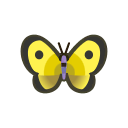 Yellow Butterfly | 160 | Flying | 4 AM - 7 PM JFMAMJJASOND 4 AM - 7 PM JFMAMJJASOND | ★☆☆ | |
 Tiger Butterfly | 240 | Flying | 4 AM - 7 PM JFMAMJJASOND 4 AM - 7 PM JFMAMJJASOND | ★☆☆ | |
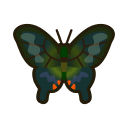 Peacock Butterfly | 2,500 | Near Flowers | 4 AM - 7 PM JFMAMJJASOND 4 AM - 7 PM JFMAMJJASOND | ★★☆ | |
 Common Bluebottle | 300 | Flying | 4 AM - 7 PM JFMAMJJASOND 4 AM - 7 PM JFMAMJJASOND | ★☆☆ | |
 Paper Kite Butterfly | 1,000 | Near Flowers | 8 AM - 7 PM JFMAMJJASOND 8 AM - 7 PM JFMAMJJASOND | ★★☆ | |
 Great Purple Emperor | 3,000 | Near Flowers | 4 AM - 7 PM JFMAMJJASOND 4 AM - 7 PM JFMAMJJASOND | ★★☆ | |
 Monarch Butterfly | 140 | Near Flowers | 4 AM - 5 PM JFMAMJJASOND 4 AM - 5 PM JFMAMJJASOND | ★☆☆ | |
 Emperor Butterfly | 4,000 | Near Flowers | 5 PM - 8 AM JFMAMJJASOND 5 PM - 8 AM JFMAMJJASOND | ★★☆ | |
 Agrias Butterfly | 3,000 | Near Flowers | 8 AM - 5 PM JFMAMJJASOND 8 AM - 5 PM JFMAMJJASOND | ★★☆ | |
 Rajah Brooke's Birdwing | 2,500 | Near Flowers | 8 AM - 5 PM JFMAMJJASOND 8 AM - 5 PM JFMAMJJASOND | ★★☆ | |
 Queen Alexandra's Birdwing | 4,000 | Near Flowers | 8 AM - 4 PM JFMAMJJASOND 8 AM - 4 PM JFMAMJJASOND | ★★☆ | |
 Moth | 130 | Near Lights | 7 PM - 4 AM JFMAMJJASOND 7 PM - 4 AM JFMAMJJASOND | ★☆☆ | |
 Atlas Moth | 3,000 | All Trees | 7 PM - 4 AM JFMAMJJASOND 7 PM - 4 AM JFMAMJJASOND | ★★☆ | |
 Madagascan Sunset Moth | 2,500 | Near Flowers | 8 AM - 4 PM JFMAMJJASOND 8 AM - 4 PM JFMAMJJASOND | ★★☆ | |
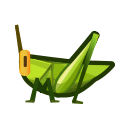 Long Locust | 200 | Ground | 8 AM - 7 PM JFMAMJJASOND 8 AM - 7 PM JFMAMJJASOND | ★☆☆ | |
 Migratory Locust | 600 | Ground | 8 AM - 7 PM JFMAMJJASOND 8 AM - 7 PM JFMAMJJASOND | ★★☆ | |
 Rice Grasshopper | 400 | Ground | 8 AM - 7 PM JFMAMJJASOND 8 AM - 7 PM JFMAMJJASOND | ★☆☆ | |
 Grasshopper | 160 | Ground | 8 AM - 5 PM JFMAMJJASOND 8 AM - 5 PM JFMAMJJASOND | ★☆☆ | |
 Cricket | 130 | Ground | 5 PM - 8 AM JFMAMJJASOND 5 PM - 8 AM JFMAMJJASOND | ★☆☆ | |
 Bell Cricket | 430 | Ground | 5 PM - 8 AM JFMAMJJASOND 5 PM - 8 AM JFMAMJJASOND | ★☆☆ | |
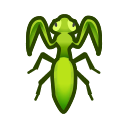 Mantis | 430 | On Flowers | 8 AM - 5 PM JFMAMJJASOND 8 AM - 5 PM JFMAMJJASOND | ★☆☆ | |
 Orchid Mantis | 2,400 | On White Flowers | 8 AM - 5 PM JFMAMJJASOND 8 AM - 5 PM JFMAMJJASOND | ★★☆ | |
 Honeybee | 200 | Near Flowers | 8 AM - 5 PM JFMAMJJASOND 8 AM - 5 PM JFMAMJJASOND | ★☆☆ | |
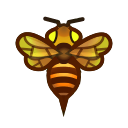 Wasp | 2,500 | Shake Trees | All Day JFMAMJJASOND All Day JFMAMJJASOND | ★★☆ | |
 Brown Cicada | 250 | Cedar Trees | 8 AM - 5 PM JFMAMJJASOND 8 AM - 5 PM JFMAMJJASOND | ★☆☆ | |
 Robust Cicada | 300 | Cedar Trees | 8 AM - 5 PM JFMAMJJASOND 8 AM - 5 PM JFMAMJJASOND | ★☆☆ | |
 Giant Cicada | 500 | Cedar Trees | 8 AM - 5 PM JFMAMJJASOND 8 AM - 5 PM JFMAMJJASOND | ★☆☆ | |
 Walker Cicada | 400 | Cedar Trees | 8 AM - 5 PM JFMAMJJASOND 8 AM - 5 PM JFMAMJJASOND | ★☆☆ | |
 Evening Cicada | 550 | Cedar Trees | 4 AM - 8 AM, 4 PM - 7 PM JFMAMJJASOND 4 AM - 8 AM, 4 PM - 7 PM JFMAMJJASOND | ★☆☆ | |
 Cicada Shell | 10 | Cedar Trees | All Day JFMAMJJASOND All Day JFMAMJJASOND | ★★★ | |
 Red Dragonfly | 180 | Near Water | 8 AM - 7 PM JFMAMJJASOND 8 AM - 7 PM JFMAMJJASOND | ★☆☆ | |
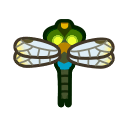 Darner Dragonfly | 230 | Near Water | 8 AM - 5 PM JFMAMJJASOND 8 AM - 5 PM JFMAMJJASOND | ★☆☆ | |
 Banded Dragonfly | 4,500 | Near Water | 8 AM - 5 PM JFMAMJJASOND 8 AM - 5 PM JFMAMJJASOND | ★★☆ | |
 Damselfly | 500 | Near Water | All Day JFMAMJJASOND All Day JFMAMJJASOND | ★☆☆ | |
 Firefly | 300 | Near Water | 7 PM - 4 AM JFMAMJJASOND 7 PM - 4 AM JFMAMJJASOND | ★☆☆ | |
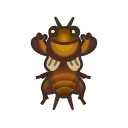 Mole Cricket | 500 | Underground | All Day JFMAMJJASOND All Day JFMAMJJASOND | ★☆☆ | |
 Pondskater | 130 | Rivers & Ponds | 8 AM - 7 PM JFMAMJJASOND 8 AM - 7 PM JFMAMJJASOND | ★☆☆ | |
 Diving Beetle | 800 | Rivers & Ponds | 8 AM - 7 PM JFMAMJJASOND 8 AM - 7 PM JFMAMJJASOND | ★★☆ | |
 Giant Water Bug | 2,000 | Rivers & Ponds | 7 PM - 8 AM JFMAMJJASOND 7 PM - 8 AM JFMAMJJASOND | ★★☆ | |
 Stinkbug | 120 | On Flowers | All Day JFMAMJJASOND All Day JFMAMJJASOND | ★☆☆ | |
 Man-Faced Stink Bug | 1,000 | On Flowers | 7 PM - 8 AM JFMAMJJASOND 7 PM - 8 AM JFMAMJJASOND | ★☆☆ | |
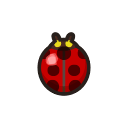 Ladybug | 200 | On Flowers | 8 AM - 5 PM JFMAMJJASOND 8 AM - 5 PM JFMAMJJASOND | ★☆☆ | |
 Tiger Beetle | 1,500 | Ground | All Day JFMAMJJASOND All Day JFMAMJJASOND | ★★☆ | |
 Jewel Beetle | 2,400 | Tree Stumps | All Day JFMAMJJASOND All Day JFMAMJJASOND | ★★☆ | |
 Violin Beetle | 450 | Tree Stumps | All Day JFMAMJJASOND All Day JFMAMJJASOND | ★★☆ | |
 Citrus Long-Horned Beetle | 350 | Tree Stumps | All Day JFMAMJJASOND All Day JFMAMJJASOND | ★★☆ | |
 Rosalia Batesi Beetle | 3,000 | Tree Stumps | All Day JFMAMJJASOND All Day JFMAMJJASOND | ★★★ | |
 Blue Weevil Beetle | 800 | Palm Trees | All Day JFMAMJJASOND All Day JFMAMJJASOND | ★★★ | |
 Dung Beetle | 3,000 | Snowballs | All Day JFMAMJJASOND All Day JFMAMJJASOND | ★☆☆ | |
 Earth-Boring Dung Beetle | 300 | Ground | All Day JFMAMJJASOND All Day JFMAMJJASOND | ★☆☆ | |
 Scarab Beetle | 10,000 | All Trees | 11 PM - 8 AM JFMAMJJASOND 11 PM - 8 AM JFMAMJJASOND | ★★☆ | |
 Drone Beetle | 200 | All Trees | All Day JFMAMJJASOND All Day JFMAMJJASOND | ★☆☆ | |
 Goliath Beetle | 8,000 | Palm Trees | 5 PM - 8 AM JFMAMJJASOND 5 PM - 8 AM JFMAMJJASOND | ★★☆ | |
 Saw Stag | 2,000 | All Trees | All Day JFMAMJJASOND All Day JFMAMJJASOND | ★☆☆ | |
 Miyama Stag | 1,000 | All Trees | All Day JFMAMJJASOND All Day JFMAMJJASOND | ★☆☆ | |
 Giant Stag | 10,000 | All Trees | 11 PM - 8 AM JFMAMJJASOND 11 PM - 8 AM JFMAMJJASOND | ★★☆ | |
 Rainbow Stag | 6,000 | All Trees | 7 PM - 8 AM JFMAMJJASOND 7 PM - 8 AM JFMAMJJASOND | ★★☆ | |
 Cyclommatus Stag | 8,000 | Palm Trees | 5 PM - 8 AM JFMAMJJASOND 5 PM - 8 AM JFMAMJJASOND | ★★★ | |
 Golden Stag | 12,000 | Palm Trees | 5 PM - 8 AM JFMAMJJASOND 5 PM - 8 AM JFMAMJJASOND | ★★★ | |
 Giraffe Stag | 12,000 | Palm Trees | 5 PM - 8 AM JFMAMJJASOND 5 PM - 8 AM JFMAMJJASOND | ★★★ | |
 Horned Dynastid | 1,350 | All Trees | 5 PM - 8 AM JFMAMJJASOND 5 PM - 8 AM JFMAMJJASOND | ★☆☆ | |
 Horned Atlas | 8,000 | Palm Trees | 5 PM - 8 AM JFMAMJJASOND 5 PM - 8 AM JFMAMJJASOND | ★★★ | |
 Horned Elephant | 8,000 | Palm Trees | 5 PM - 8 AM JFMAMJJASOND 5 PM - 8 AM JFMAMJJASOND | ★★★ | |
 Horned Hercules | 12,000 | Palm Trees | 5 PM - 8 AM JFMAMJJASOND 5 PM - 8 AM JFMAMJJASOND | ★★★ | |
 Walking Stick | 600 | All Trees | 4 AM - 8 AM, 5 PM - 7 PM JFMAMJJASOND 4 AM - 8 AM, 5 PM - 7 PM JFMAMJJASOND | ★★☆ | |
 Walking Leaf | 600 | Under Trees | All Day JFMAMJJASOND All Day JFMAMJJASOND | ★★☆ | |
 Bagworm | 600 | Shake Cedar Trees | All Day JFMAMJJASOND All Day JFMAMJJASOND | ★☆☆ | |
 Ant | 80 | Rotten Food | All Day JFMAMJJASOND All Day JFMAMJJASOND | ★★☆ | |
 Hermit Crab | 1,000 | Shoreline | 7 PM - 8 AM JFMAMJJASOND 7 PM - 8 AM JFMAMJJASOND | ★☆☆ | |
 Wharf Roach | 200 | Beach Rocks | All Day JFMAMJJASOND All Day JFMAMJJASOND | ★☆☆ | |
 Fly | 60 | Near Trash | All Day JFMAMJJASOND All Day JFMAMJJASOND | ★★☆ | |
 Mosquito | 130 | Flying | 5 PM - 4 AM JFMAMJJASOND 5 PM - 4 AM JFMAMJJASOND | ★☆☆ | |
 Flea | 70 | Villagers | All Day JFMAMJJASOND All Day JFMAMJJASOND | ★★☆ | |
 Snail | 250 | Rocks & Bushes | All Day JFMAMJJASOND All Day JFMAMJJASOND | ★★☆ | |
 Pill Bug | 250 | Hit Rocks | 11 PM - 4 PM JFMAMJJASOND 11 PM - 4 PM JFMAMJJASOND | ★☆☆ | |
 Centipede | 300 | Hit Rocks | 4 PM - 11 PM JFMAMJJASOND 4 PM - 11 PM JFMAMJJASOND | ★☆☆ | |
 Spider | 600 | Shake Cedar Trees | 7 PM - 8 AM JFMAMJJASOND 7 PM - 8 AM JFMAMJJASOND | ★☆☆ | |
 Tarantula | 8,000 | Ground | 7 PM - 4 AM JFMAMJJASOND 7 PM - 4 AM JFMAMJJASOND | ★★☆ | |
 Scorpion | 8,000 | Ground | 7 PM - 4 AM JFMAMJJASOND 7 PM - 4 AM JFMAMJJASOND | ★★☆ |
View our complete lists for all months of Fish, Bugs, and Sea Creatures.
Notable New Bugs in April (NH)
Spring has arrived with twelve new bugs to catch in April! Look out for the uncommon Agrias Butterfly, Rajah Brooke’s Birdwing, and Madagascan Sunset Moth all found near flowers.

Other uncommon new bugs to find include the Atlas Moth on trees, the Giant Water Bug on rivers and ponds, and the classic Flea on villagers.
Notable Bugs Leaving in May (NH)
In this season, it’s about bugs arriving, not leaving! The only bug departing after April is the Tarantula as we transition over to the Scorpion next month. You’ve probably already got one, but this is your last chance to catch that freak!

Notable New Bugs in April (SH)
With autumn underway in the Southern Hemisphere, things are quiet with the Ladybug as the only new bug to catch in April — find them on flowers when it’s not raining.
Notable Bugs Leaving in May (SH)
It’s your last chance in the Southern Hemisphere to catch all three different dragonflies found near water, with the Banded Dragonfly being most elusive and valuable. We won’t see these for quite a few more months.

Otherwise, the Scorpion is leaving after April to be replaced by the Tarantula. And that Ladybug we mentioned as new this month is disappearing again right after! Finally, the uncommon Tiger Beetle is worth a mention.
Tips & Tricks for Catching Bugs
Different bugs appear on your Animal Crossing island depending on the month, time of day, specific location (including types of trees and flowers), and even the weather.
Many rarer or more expensive bugs can be scared if you approach them too quickly. Be sure to hold down the A button when swinging with your net to enter a ‘walking’ mode where you can slowly approach without disturbing bugs.
Use Nook Miles Islands to Your Advantage
A good thing to know about bugs is the spawn rates can be proportionate to the available spawn locations on an island.
So, if you’re looking for valuable beetles and stags only found on palm trees, then cutting down all the regular trees on an island leaving only palm trees can greatly increase the amount of bugs found on those remaining palm trees. It may still take time for the most rare ones to appear, but it’ll significantly speed up the process. The same can go for bugs only found on stumps, rare flowers, or the ground.

You might not want to go on a tree chopping spree on your own island though, so that’s where the mystery islands visited using Nook Miles Tickets come in handy! You can make all the changes you want on these islands without affecting your home island. Plus, the time of day remains static in place — if you travel to a mystery island at night, it’ll remain at night until you leave.
How to Catch Tarantulas & Scorpions
Tarantulas and Scorpions can be especially tricky to catch, but the key is patience! If you manage to spot on before it sees you first, then you can slow approach it using the holding down A button walking technique.

When you get too close and see it get ready to attack or move, stop for a moment and let it relax again before moving. Keep repeating this process until you’re close enough to strike your net!
Even if they sees you and charge, it’s still possible to catch them by running with enough distance, turning around, and hitting your net with the right timing. But the slow-go approach is much more reliable if you’re inexperienced.
Tricky Bug Locations
Most bugs in Animal Crossing: New Horizons can be found on your island flying around, on trees, or on flowers. However, some have more specific details to explain if you’re a new player.
Mole Cricket (Underground)
The Mole Cricket cannot be seen or caught from above ground. It can only be caught by digging holes with your shovel near where you hear a loud cricket sound that you’re unable to spot by eye.
Walking Leaf & Hermit Crab (Disguised)
The Walking Leaf and Hermit Crab are specially disguised bugs found either under a tree appearing as a dropped piece of furniture (green leaf) or a shell on your beach’s shoreline.
Fly & Ant (Trash & Rotten Food)
Both the Ant and Fly can be found using specific rotten food or trash as ‘bait’ — just place these items on the ground and keep checking back until these two bugs spawn:
- Ant: Found directly on rotten turnips or Halloween candy.
- Fly: Found flying near boots, tires, cans, used fireworks, or rotten turnips.
Dung Beetle (Snowballs)
The Dung Beetle can only be found while there’s snow on your island’s ground from December 11th to February 24th in the Northern Hemisphere and June 11th to August 24th in the Southern Hemisphere.
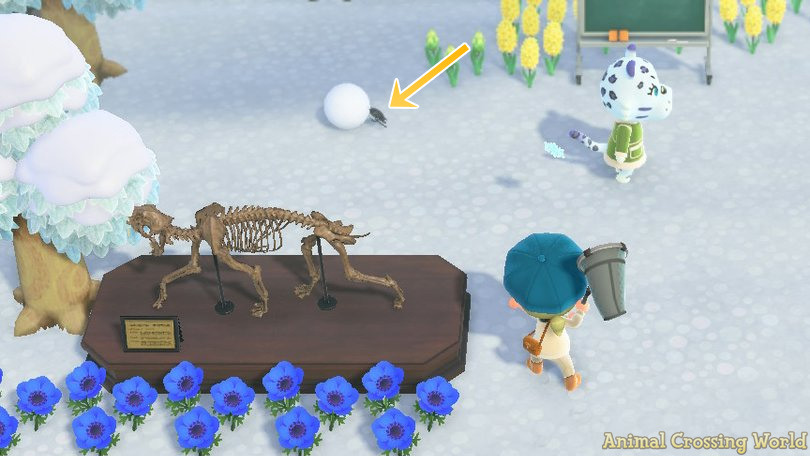
During these dates, be on the lookout for a beetle creature to be pushing a snowball by itself. They do not spawn when playing online multiplayer.
Bug Spawn Requirements
Some bugs in Animal Crossing: New Horizons have spawn requirements that prevent them from appearing until you’ve caught enough. The most notable are these seven rarest bugs — all exclusively found on palm trees in the summer — that require you to have caught at least 100 bugs in total to unlock them:
- Goliath Beetle
- Cyclommatus Stag
- Golden Stag
- Giraffe Stag
- Horned Atlas
- Horned Elephant
- Horned Hercules
We’ve omitted these numbers from the list to save space, but it is worth keeping in mind if it’s your very first few hours catching bugs.
Unlock Golden Net DIY Recipe
When you have caught and recorded all 80 different bugs in your NookPhone’s Critterpedia, the Faraway Museum will mail you a DIY recipe for the Golden Net, requiring a Net and 1 Gold Nugget to craft. While it does last about three times as long as non-golden tools, the Golden Net is still not invincible to breaking.

Note that this is seperate from actually donating bugs to your island’s Museum — you can still get the golden net without donations.
Save Bugs for Models or Extra Bells from Flick
Besides donating bugs to Museum or selling at Nook’s Cranny, you might want to save them up for the next time C.J. visits your island!
When Flick is visiting, after completing a challenge, you can get exclusive Bug Models from him by trading in three of the same bug. You can also use Flick to maximize your bug catching profits as he’ll buy bugs from you for an extra 50% more Bells than Timmy & Tommy at Nook’s Cranny do.
Get The Latest Animal Crossing News & Guides
Sign up for our newsletter to never miss out on the latest Animal Crossing news, guides, and deals with email updates!